Misako Luxury Camp. Our properties. Tarangire National Park.
Tarangire National Park
Elephants, lions, majestic baobabs, and acacia woodlands
Tarangire National Park, Tanzania-Elephants, Baobabs & Wildlife Safari
Tarangire National Park has a rich history shaped by its wildlife, natural landscapes, and the communities that have lived around the area for generations. The park takes its name from the Tarangire River, a vital source of water for animals, particularly during Tanzania’s dry season.
Before becoming a national park, the area was used by local communities for grazing, farming and other traditional activities. In the mid-20th century, efforts to protect the region’s wildlife and habitants increased, leading to Tarangire being officially established as a national park in 1970.
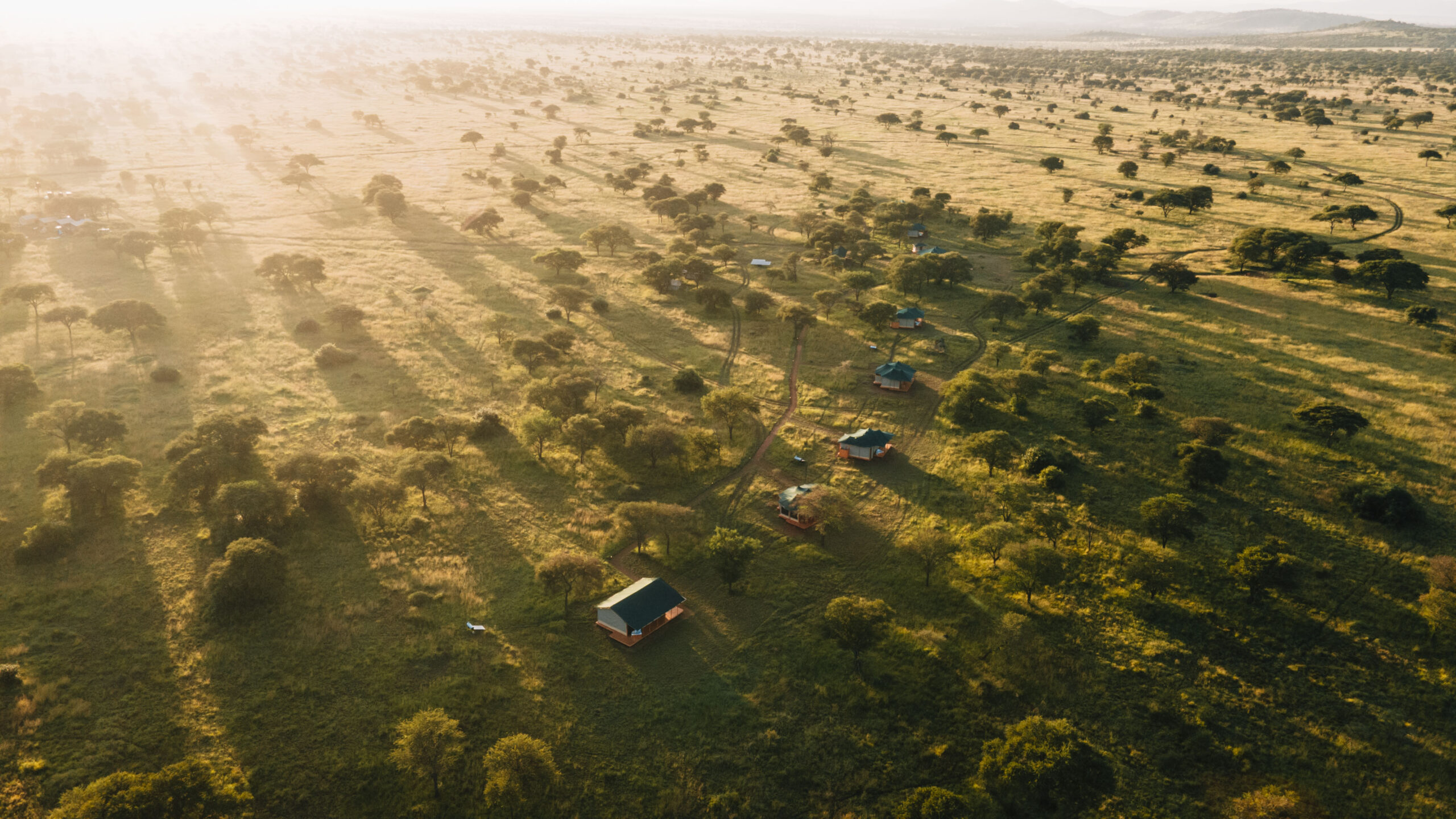
Today, Tarangire National Park is recognized as one of Tanzania’s most distincive safari destinations. Unlike some of the country’s more famous parks, Tarangire is especially known for its seasonal wildlife concentrations, enormous elephant herds, impressive baobab trees, and varied landscapes. The park contains river valleys, grasslands, woodlands, wetlands, and rocky areas, creating habitats for a remarkable range of wildlife. More than 550 bird species are associated with the park, a making Tarangire an excellent destination for bird watching as well as traditional big-game safaris.
For travellers exploring the northern Tanzania safari circuit, a visit to Tarangire National Park offers more than an opportunity to see elephants and baobabs. It provides a chance to experience a landscape with a long conservation history, rich cultural connections and an ecosystem that continues to support extraordinary wildlife year after year.
When is the best time to visit Tarangire National Park?
Choose a month to learn more
Tarangire in January
Shoulder SeasonJanuary brings warm, sunny weather reaching up to 28°C (82°F). Occasionally, there are brief thunderstorms. Parks are quite peaceful, offering excellent game viewing across green landscapes.
Tarangire in February
Shoulder SeasonWarm climate with clear skies. Excellent opportunities for birdwatching as migratory species are present in high numbers across the southern swamps.
Tarangire in March
Shoulder SeasonThe rainy season typically begins in late March. While temperatures remain warm, sunny days become less frequent. Perfect for peaceful experiences and dramatic photography under storm clouds.
Tarangire in April
Rainy SeasonHeavy rains transform the park into a lush green haven. Lower rates and uncrowded safari tracks make this ideal for budget-conscious and experienced travelers.
Tarangire in May
Rainy SeasonRains begin to taper off late in the month. The vegetation is dense and green, with spectacular birdlife opportunities throughout the park.
Tarangire in June
Dry SeasonThe peak dry season kicks off. Wildlife begins gathering near the Tarangire River as surrounding water sources dry up.
Tarangire in July
Dry SeasonCooler, dry weather. Elephant herds congregate in large numbers along the riverbanks, providing prime viewing conditions.
Tarangire in August
Dry SeasonPeak game-viewing months. Big cats and massive elephant herds frequent the main river circuit daily.
Tarangire in September
Dry SeasonHigh concentration of migratory wildlife in the park center. Excellent conditions for photography with clear skies and thin vegetation.
Tarangire in October
Dry SeasonThe absolute peak of wildlife concentration at the Tarangire River before the short rains return.
Tarangire in November
Shoulder SeasonShort rains arrive, refreshing the landscape. Animals begin dispersing, and migratory bird species start arriving.
Tarangire in December
Shoulder SeasonLush, green scenery returns with warm temperatures. Great time for festive holiday safaris and predator tracking.
What to see in Tarangire National Park
Discover the top attraction in Tarangire National Park, Tanzania- a premier safari destination famous for its massive elephant herds, ancient baobab trees, and rich wildlife diversity during the dry season.
Ancient Baobab Trees
Iconic “Trees of Life” featuring massive trunks up to 11 meters (36 feet) in diameter, dominating the savannah landscape.
Massive Elephant Herds
One of Africa’s highest concentrations of elephants, often seen gathering in herds of up to 300 along the Tarangire River.
The Tarangire River
The primary life-giving water source in the park, attracting thousands of migratory animals during the dry season (June to October).
Vibrant Birdlife
Over 550 bird species, including yellow-collared lovebirds, kori bustards, and vibrant starlings, making it a paradise for birdwatching.
How Misako Luxury Camp Connects You with Tarangire National Park?
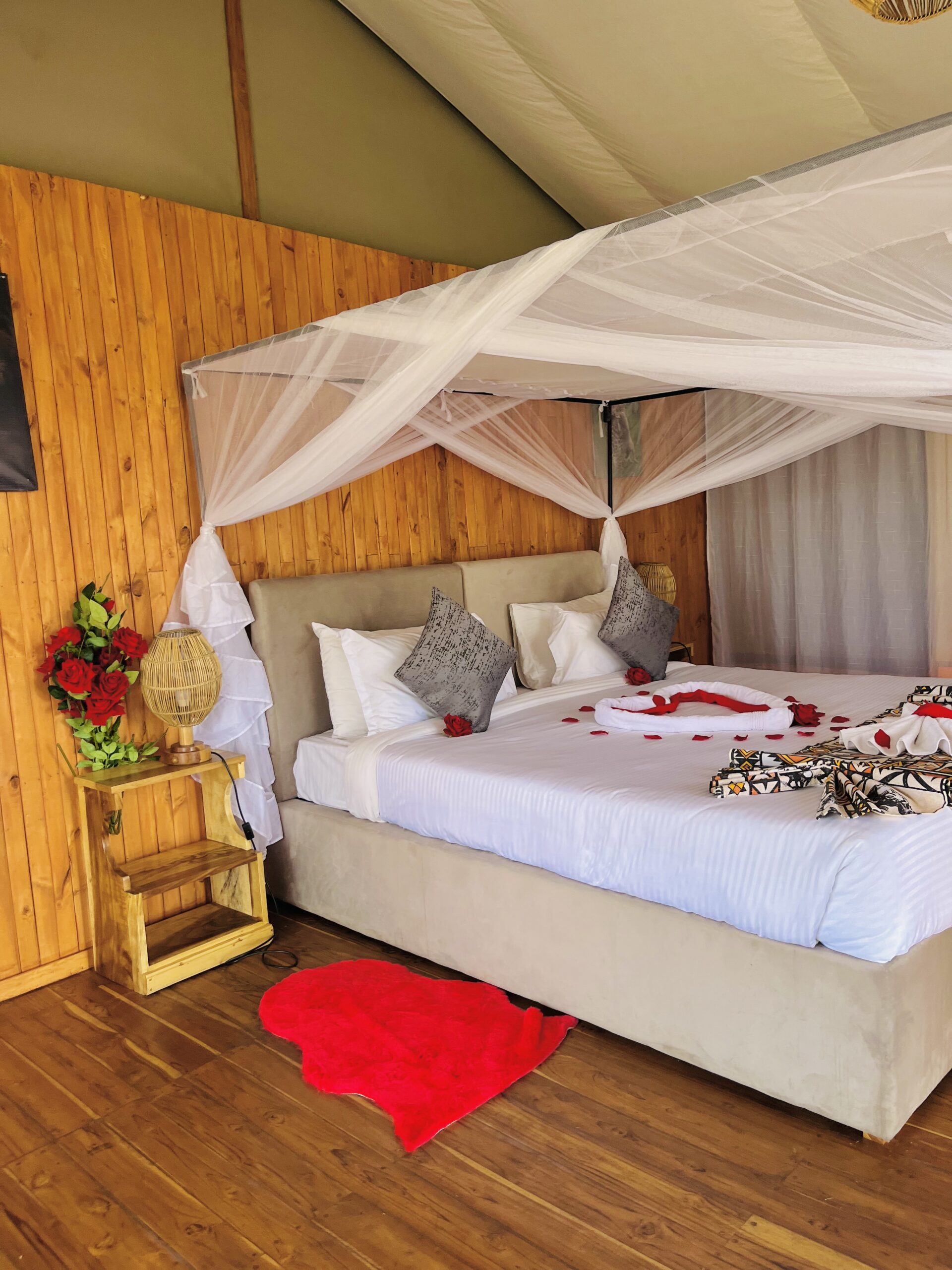
Embarking on a safari from Arusha to Tarangire National Park is an unforgettable journey into one of Tanzania’s most dynamic wildlife sanctuaries. Known worldwide as the “Land of Giants”, Tarangire is celebrated for its sweeping savannahs dotted with ancient baobab trees and home to Africa’s highest concentration of wild elephants. To truly experience the magic of this landscape, Misako Luxury Camp provides the ultimate bridge between raw, untamed nature and refined safari comfort.
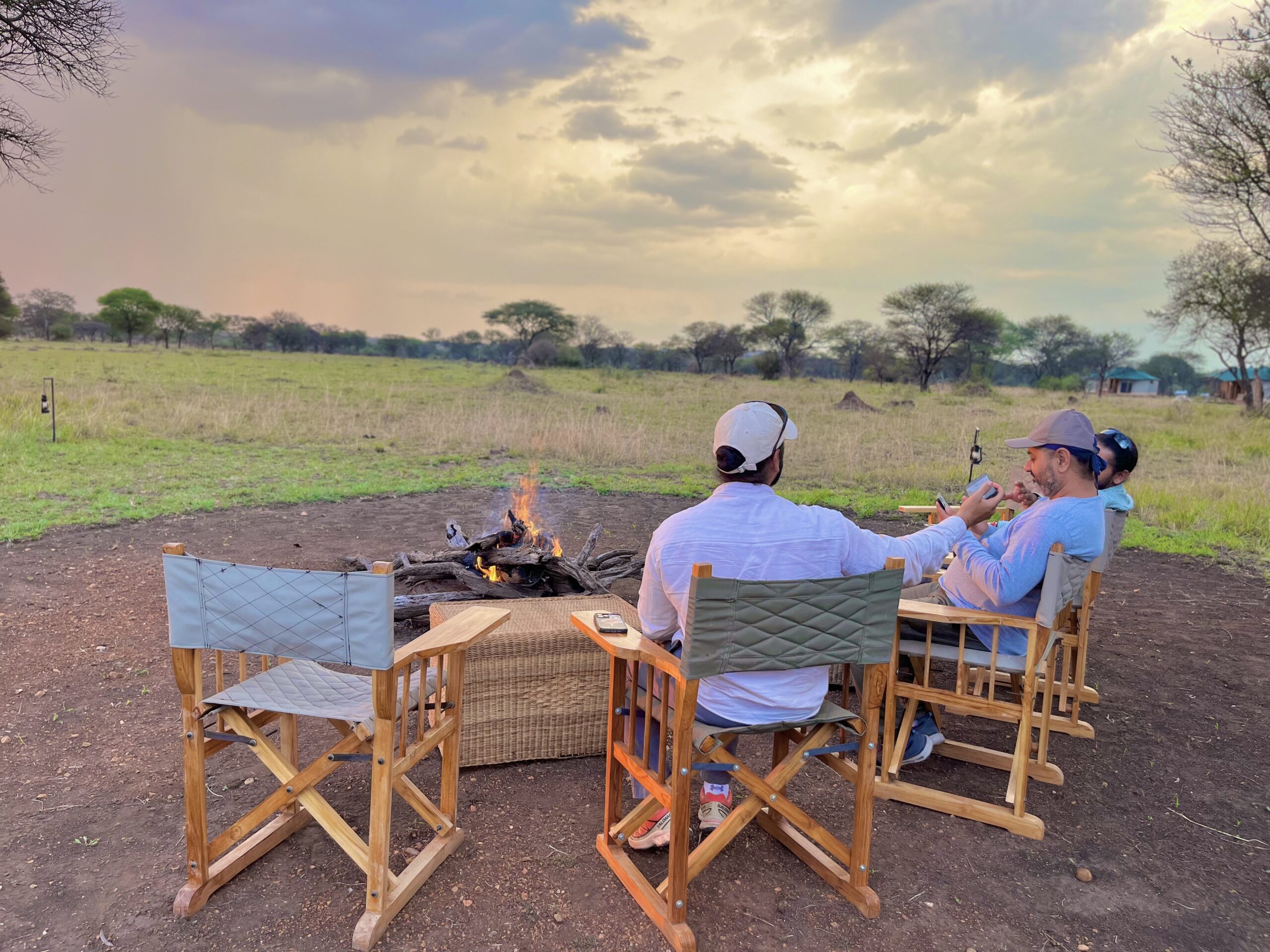
Beyond world-class game viewing, your connection to Tarangire continues through curated wilderness moments. Enjoy a freshly prepared bush lunch overlooking the river or take in panoramic views of centuries-old baobabs farming the horizon. As the afternoon wanes, transition smoothly to Misako Luxury Cam, where high-end hospitality awaits in the middle of the bush.
By staying with Misako Luxury Camp, your Tarangire safari becomes more than just a day trip-it becomes an immersive luxury retreat in the heart of nature.
Experience the peak of safari comfort and secure your stay in the wild: