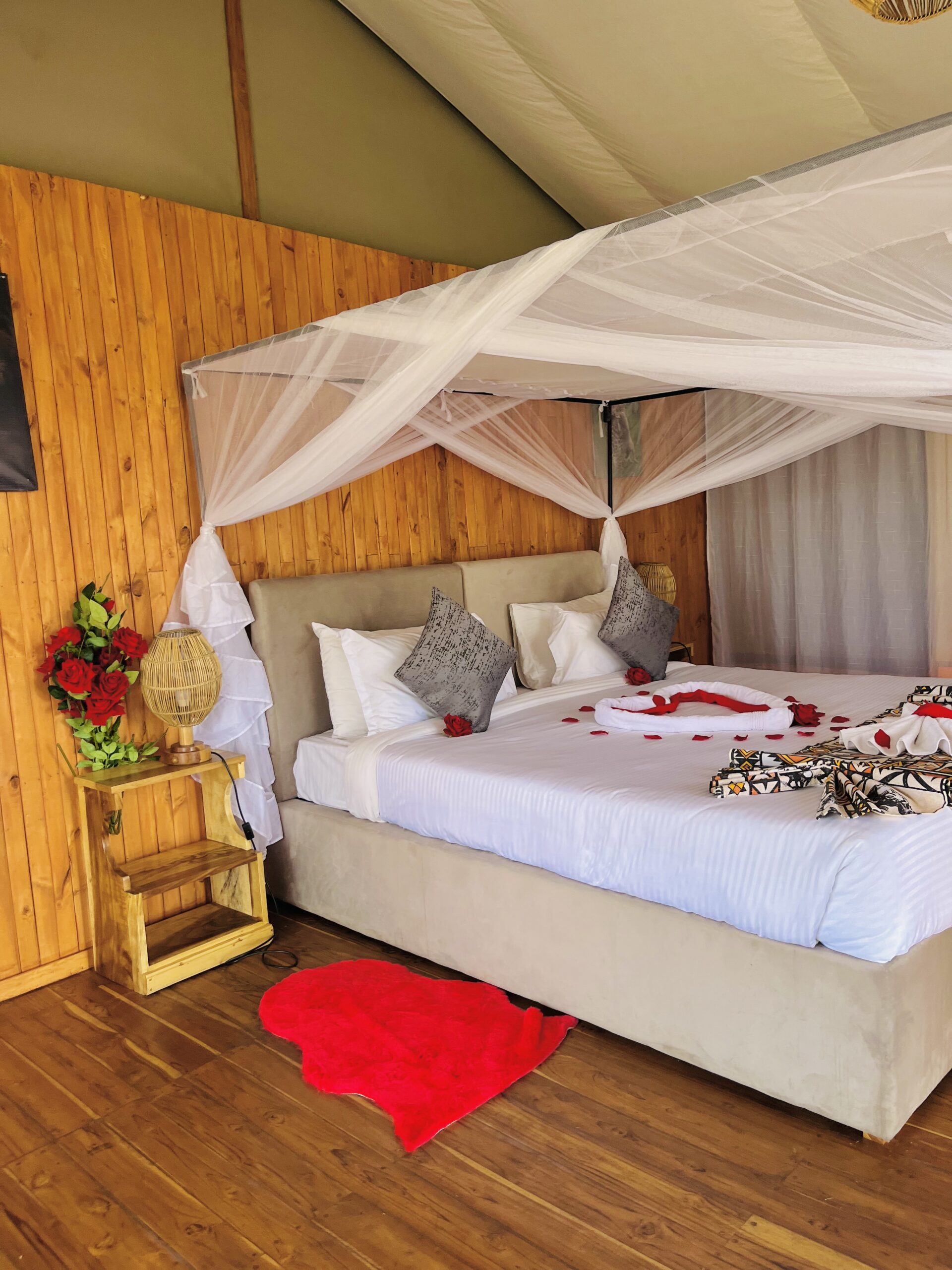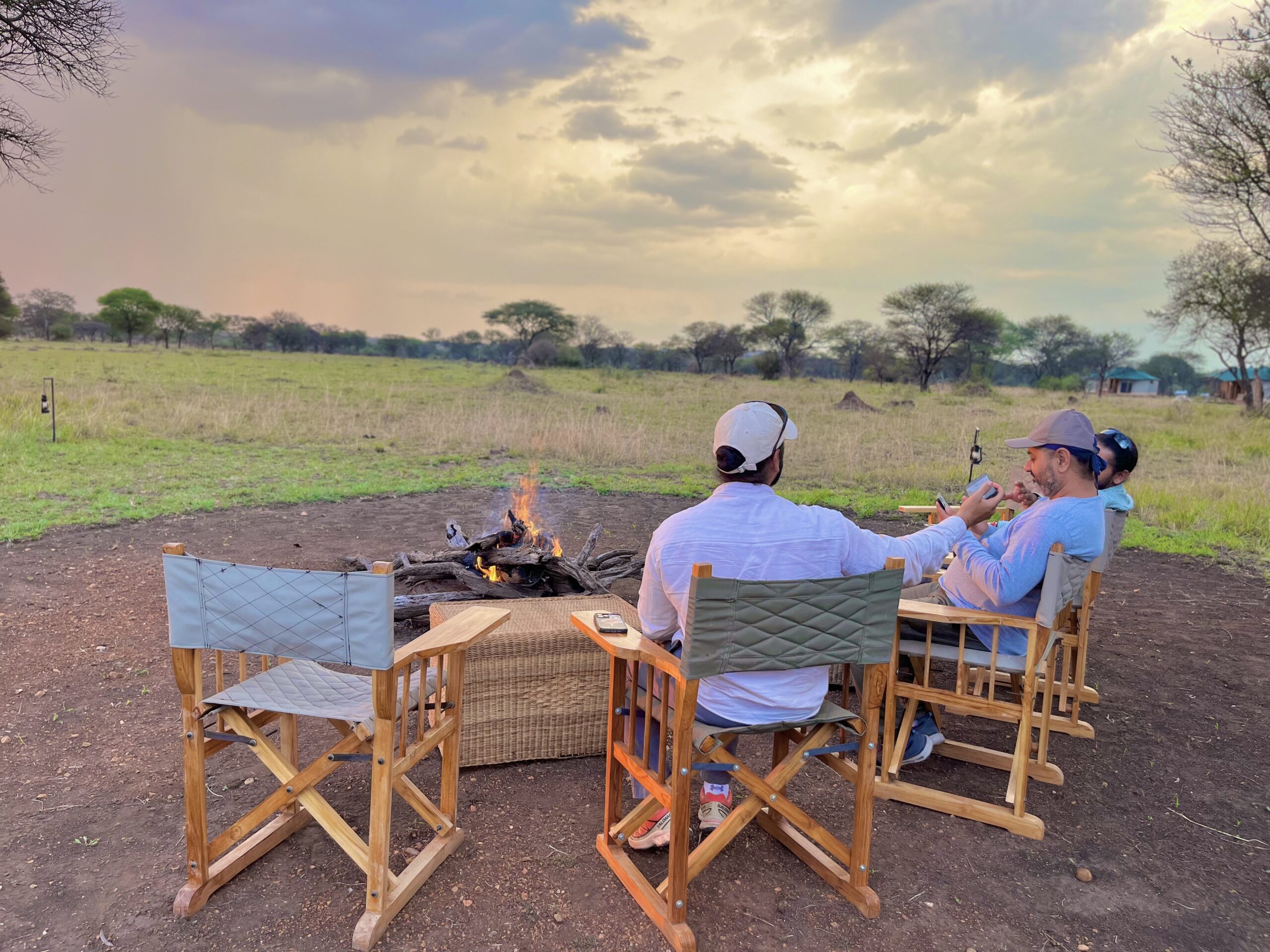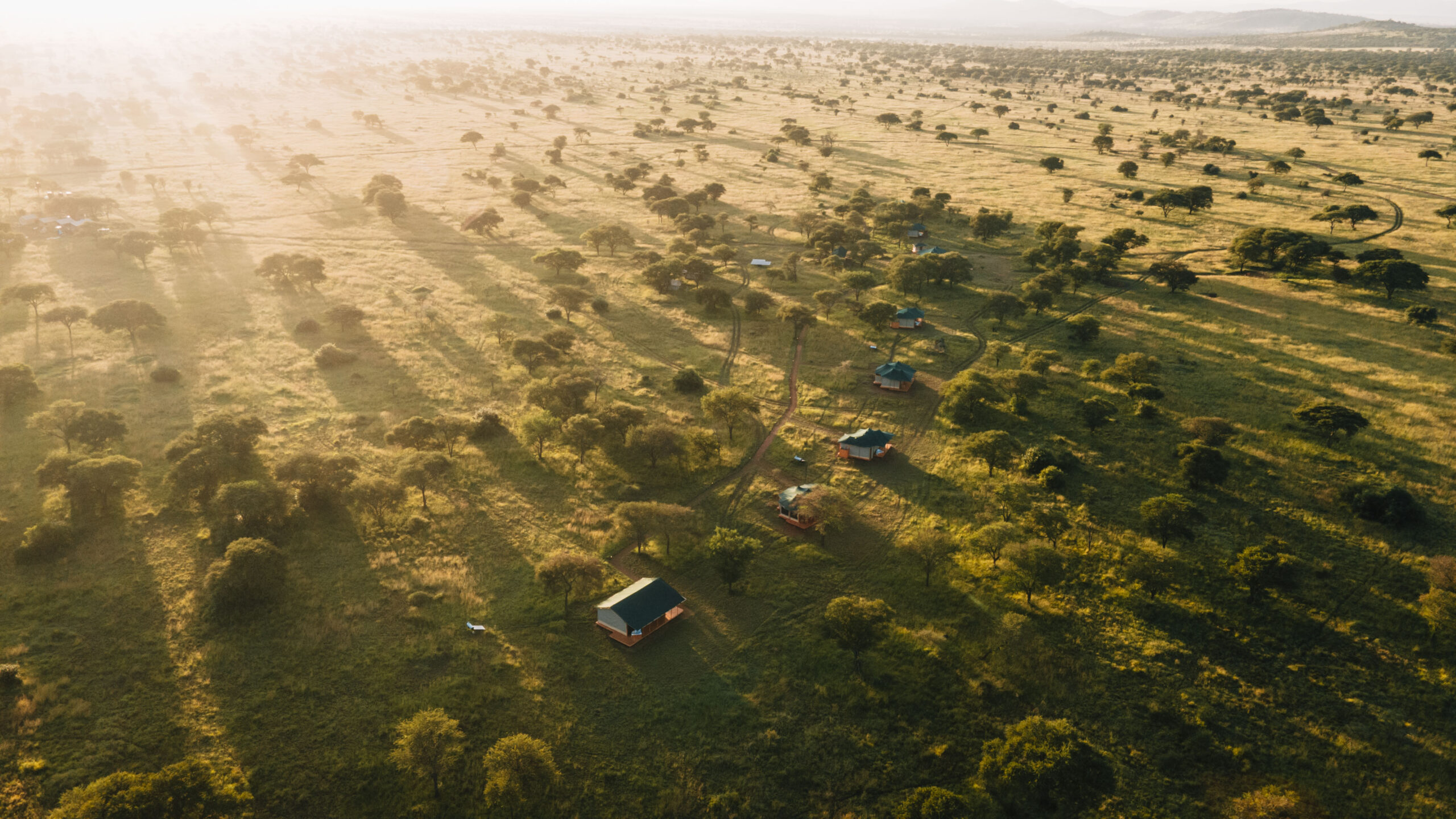
Misako Luxury Camp. Our properties. Serengeti National Park.
Ngorongoro Crater
UNESCO World Heritage Site
Where Nature, Wildlife and Maasai Heritage Meet
Recognized by UNESCO as a World Heritage Site, the Ngorongoro Conservation Area is one of Tanzania’s most remarkable destinations, where extraordinary wildlife dramatic volcanic landscapes, ancient archeological discoveries, and living cultural traditions comes together. Established in 1959, the conservation area was created as a environment while allowing indigenous communities, particularly the Maasai, to continue their traditional pastoral way of life.
The heart of the Conservation area is the magnificent Ngorongoro Crater, one of the world’s largest intact volcanic calderas. Formed when a massive volcano collapsed millions of years ago, the crater stretches across a vast natural amphitheater surrounded by sleep walls. Its fertile grasslands, forests, lakes, and wetlands provide an ideal habitat for a remarkable concentration of wildlife. Beyond the crater, the Ngorongoro conservation Area extends across a drive’s landscapes of highlands, forests, open plains, mountains, and volcanics features. These varied ecosystems support an impressive range of wildlife and provide visitors with a deeper understanding of the natural environment that surrounds the crater.
Ngorongoro is a place of exceptional importance to the story of humanity. Within the conservation area lies Olduvai Gorge, one of the world’s most significant archeological and paleoanthropological sites. Discoveries made here have contributed greatly to our understanding of early human evolution and the history of our ancestors. The area therefore offers more than a wildlife experience it provides a journey through millions of years of natural and human history.
For visitors, Ngorongoro offers an exceptional combination of wildlife, scenery, culture, and history. From standing on the crater rim and looking across the vast caldera to descending into the crater for a game drive, every moment reveals a different side of these extraordinary landscapes. The experience can be complemented by cultural encounters, visits to local communities, and exploration of the area’s archeological heritage. Ngorongoro is not simply a place to see wildlife. it is a destination where the story of the Earth, the evolution of humanity, the traditions of its people, and the richness of African wildlife can all be experienced within one remarkable conservation area.
Where is Ngorongoro Crater Located?
Ngorongoro Crater is located in northern Tanzania, within the Ngorongoro Conservation Area in the Arusha region. It lies approximately 190km(120miles) west of Arusha and forms part of the northern Tanzania safari circuit.
The crater is situated near other major safari destinations, including Serengeti National Par, Lake Manyara National Park and Tarangire National Park, making it an important stop on a northern Tanzania safari; this is about a 4-hour drive by car.
When is the best time to visit Ngorongoro Crater?
Choose a month to learn more
Ngorongoro in January
Rainy season
In mid-January, seasonal rains result in lush grass throughout the Conservation Area. The weather is hot and clear. Herbivores—elephants, buffalo, zebras, and antelopes—graze across the Conservation Area, and you will see them almost immediately upon descending into the crater floor. Predators such as lions and leopards are most active during the morning and evening hours.
Ngorongoro in February
Rainy season
February brings the Wildebeest Calving Season to the nearby Ndutu plains within the Ngorongoro Conservation Area. The crater floor is vibrant and green, offering prime opportunities to spot black rhinos and active lion prides.
Ngorongoro in March
Shoulder season
March offers green scenery and fewer crowds. Wildlife remains densely concentrated on the crater floor around Lake Magadi, making it ideal for birdwatching as migratory flocks arrive.
Ngorongoro in April
Rainy season
April experiences the long rains, turning the crater into a dramatic landscape. It is the best month for low tourist numbers, lush green photography, and excellent resident game viewing.
Ngorongoro in May
Rainy season
As rains clear towards late May, visibility improves across the crater floor. Flamingos gather at Lake Magadi, and resident wildlife is easily spotted grazing on the caldera floor.
Ngorongoro in June
Dry season
June marks the arrival of the dry season with cooler crater-rim temperatures. Game viewing is superb as animals gather around permanent freshwater springs on the crater floor.
Ngorongoro in July
Dry season
July features clear blue skies and dry conditions. The thinner vegetation makes it easy to spot the Big Five, including endangered black rhinos and large lion prides.
Ngorongoro in August
Dry season
August is peak dry season. Animals remain concentrated on the caldera floor near water sources, providing incredible wildlife action and clear conditions for crater descent safaris.
Ngorongoro in September
Dry season
September offers warm, dry weather. The crater floor vegetation is at its lowest, creating optimal conditions for spotting elusive species and large elephant bulls with massive tusks.
Ngorongoro in October
Dry season
October remains warm and dry before the short rains arrive. Wildlife viewing continues to be exceptional along the crater floor marshes and Lerai Forest.
Ngorongoro in November
Rainy season
Short rains begin in November, refreshing the grass across the crater. Migratory birds begin returning, and short afternoon showers leave clear skies for late afternoon game drives.
Ngorongoro in December
Shoulder season
December brings warm weather and lush green landscapes. It is a popular time for holiday safaris, offering abundant resident wildlife and migratory bird species across the conservation area.
Conservation Projects & Community Initiatives
The Ngorongoro Conservation Area supports rich biodiversity and unique multi-use wilderness management. The Ngorongoro Conservation Area Authority (NCAA) leads critical conservation programs—from anti-poaching patrols to scientific wildlife research—to protect endangered species like the black rhino across the ecosystem.
Local Community Empowerment & Partnerships
The NCAA actively engages local indigenous Maasai communities living within the conservation area in sustainable development efforts. Partnering with eco-conscious operators like Misako Luxury Camp, these programs support local employment, empower neighboring villages, and preserve traditional cultural heritage while safeguarding wildlife habitats.
Anti-Poaching Initiatives
To protect vulnerable wildlife species, dedicated ranger units conduct continuous ground patrols and aerial monitoring throughout the crater and surrounding highlands. Responsible operators like Misako Luxury Camp directly support these efforts through sustainable safari practices and environmental stewardship.
What to see in the Ngorongoro Crater
Beyond its famous volcanic crater and dense wildlife, the Ngorongoro Conservation Area boasts extraordinary historical and natural landmarks. We recommend allocating an extra day on your Tanzania safari itinerary to explore these historic locations.
Olduvai Gorge and the Leakey Camp
Olduvai Gorge and the Leakey Camp Olduvai Gorge is a world-renowned paleoanthropological site where pioneer anthropologists Mary and Louis Leakey discovered early human fossils dating back 1.5 to 2 million years. Known as the “Cradle of Humankind,” the site features the state-of-the-art Olduvai Gorge Museum, exhibiting fossil replicas, prehistoric stone tools, and artifacts uncovered during excavations.
Empakai Crater
Another ancient volcanic caldera, Empakai Crater lies north of the main Ngorongoro Crater in the scenic Ngorongoro Highlands. It is one of the rare areas within the conservation reserve where guided trekking and nature walks are permitted. For safety, all visitors must be accompanied by an armed park ranger. At the bottom of the crater floor lies the alkaline lake Empakai, where large flocks of lesser flamingos gather between November and May.
Olmoti Crater
Olmoti Crater is another magnificent hiking safari destination situated within the Ngorongoro Conservation Area. Even during the peak dry season, this off-the-beaten-path caldera remains quiet with very few tourists. The guided trek takes hikers through lush mountain forests to the rim, leading to the dramatic Munge waterfalls where the river plunges down the crater wall into the floor below.
How Misako Luxury Camp Connects You with Ngorongoro Crater?
Misako Luxury Camp connects guests to the Ngorongoro Crater through a carefully designed northern Tanzania safari circuit. While Misako’s main Serengeti Camp is located in the Central Serengeti, its Ndutu Migration Camp is positioned in the Southern Serengeti and Ngorongoro Area, providing a natural link to the Ngorongoro Conservation Area.
From Misako, guests can include Ngorongoro Crater in their safari itinerary, combining luxury accommodation with guided exploration of the crater’s dramatic volcanic landscape and exceptional wildlife. A visit to the crater offers opportunities to see lions, elephants, buffalo, hippos, flamingos, and other wildlife, while also experiencing the area’s rich cultural and archeological heritage.
Misako’s multi-property approach makes it possible to experience different parts of the Northern Circuit, including Serengeti, Ndutu, Ngorongoro, and Tarangire, with accommodation and safari experiences connected into one journey.
In essence, Misako Luxury Camp is your luxury base and safari partner, connecting you from the endless Serengeti plains to the spectacular Ngorongoro Ctarer-bringing together wildlife, adventure, culture and comfort in one unforgettable Tanzania journey.
“A journey into the heart of Tanzania, where spectacular wildlife, breathtaking scenery, and timeless African heritage await.”