Misako Luxury Camp. Our properties. Serengeti National Park.
Serengeti National Park
Where Luxury Meets the Untamed Wild
Discover the Iconic Serengeti National Park, Tanzania
For thousands of years, the vast grasslands of the Serengeti were preserved by the Maasai people, who named the land “Siringet” meaning “the place where the land runs on forever.” In the early 20th century, the area became a partial game reserve under British colonial rule to protect dwindling lion populations.
Renowned worldwide as Africa’s premier wildlife safari destination, Serengeti National Park offers an unmatched African wilderness experience. This vast, world-famous reserve is home to the iconic Big Five-elephants, lions, leopards, buffaloes, and rhinoceroses-alongside thriving populations of giraffes, hippos, and crocodiles. As the primary stage for the annual Great Wildebeest Migration, the Serengeti hosts millions of wildebeest and zebras across its sweeping savannahs. Boasting over 70 large mammal species and more than 500 bird species, the Serengeti is an essential bucket-list destination for wildlife enthusiast and nature lovers alike.
Together with the Ngorongoro Conservation Area and surrounding northern safari circuits, Serengeti National Park stands as a globally recognized UNESCO World Heritage Site, offering extraordinary year-round game viewing.
Where is Serengeti National Park Located?
Is the Serengeti in Kenya or Tanzania? This common question frequently arises for travelers planning an East African safari adventure. The answer is simple: Serengeti National Park is located entirely in northern Tanzania, spanning over 1.5 million hectares (3.7 million acres) of pristine wild savannah. Situated just east of Lake Victoria-Africa’s largest lake-it sits directly south of the Kenya border.
To the north, the Serengeti connects seamlessly with Kenya’s iconic Maasai Mara National Reserve, while to the east lies the world-renowned Ngorongoro Conservation Area. Together, these protected regions form the greater Serengeti ecosystem, defined by the natural, boundary-free migration routes of millions of wildebeests and zebras.
What is the best month to visit the Serengeti?
Choose a month to learn more
Serengeti in January
Dry season
By mid-January, the short rainy season ends, and the weather is clear and warm. In the southern Serengeti and Ndutu, the Great Migration herds arrive across the lush plains, setting the stage for the upcoming calving season.
Serengeti in February
Dry season
February marks the peak calving season in the Southern Serengeti and Ndutu plains. Thousands of wildebeest calves are born daily, attracting intense predator action from lions, cheetahs, and leopards across open grasslands.
Serengeti in March
Shoulder season
March transitions from dry to short showers. As the grass dries in the south, wildebeest herds begin gathering and preparing for their trek northward toward the Central Serengeti (Seronera).
Serengeti in April
Rainy season
April brings long rains, transforming the landscape into vibrant green fields. It offers low crowd numbers, excellent birdwatching, and great photography opportunities with dramatic skies and lush vegetation.
Serengeti in May
Rainy season
As rains ease in late May, massive columns of wildebeest move through the Western Corridor and Central Serengeti. Game viewing remains outstanding with fewer tourists across key safari zones.
Serengeti in June
Shoulder season
June marks the start of the dry season. The Great Migration herds congregate near the Grumeti River in the West, facing their first treacherous river crossings as they continue northward.
Serengeti in July
Dry season
July is prime safari time as herds reach the Northern Serengeti. Dramatic river crossings begin along the Mara River, where crocodiles await wildebeest attempting to cross into the Maasai Mara.
Serengeti in August
Dry season
August features dry weather, clear skies, and continuous river crossings along the Mara River in Kogatende. Big cat encounters are frequent as predators hunt near active water sources.
Serengeti in September
Dry season
The Northern Serengeti remains full of migration activity with daily Mara River crossings. Wildlife viewing across Central and Northern Serengeti is exceptional due to thinned vegetation.
Serengeti in October
Dry season
As dry conditions reach their peak, herds move between Kenya and Northern Tanzania. Resident game remains densely concentrated around permanent water sources, offering superb predator viewing.
Serengeti in November
Rainy season
Short rains trigger the wildebeest to begin their trek back south from Kenya into the Northern and Central Serengeti, renewing the plains with fresh green grazing pastures.
Serengeti in December
Shoulder season
December brings warm weather as herds arrive in the Southern Serengeti and Ndutu areas for the holiday season, setting up for another cycle of the Great Migration.
What are the main attractions of Serengeti National Park?
Serengeti National Park in Tanzania is one of Africa’s largest and most famous safari destinations. To truly explore its key regions and diverse ecosystems, travelers typically spend 3 to 4 days on safari. Here are the top must-visit locations across the Serengeti.
Central Serengeti and the Seronera River Valley
As the heart of the national park, Central Serengeti is famous for year-round game viewing, high predator densities, and iconic big cat sightings. The Seronera River Valley provides a permanent water source, making it a bustling haven for lions, leopards, cheetahs, and elephants. This region also serves as the ideal starting point for most multi-day Tanzania safaris and is home to Misako Luxury Camp, offering high-end safari accommodation in the center of the action.
Western Corridor and Grumeti
The western sector of the park features open savannah and riverine forests. Here, you can encounter classic African wildlife, including lions, zebras, elephants, buffaloes, and various antelopes. The Grumeti and Mbalageti rivers are home to large pods of hippos and massive Nile crocodiles, serving as the dramatic backdrop for river crossings during May and June.
Northern Serengeti: Kogatende, Lobo, and Lamai
The most thrilling stage of the Great Wildebeest Migration takes place in the Northern Serengeti between July and October. Here, vast herds of wildebeests, zebras, and gazelles brave the treacherous currents and crocodiles of the Mara River. Highly picturesque and remote, this region is a must-visit during a migration safari, where guests at Misako Mara Migration Camp enjoy prime front-row seats to the action.
How Misako Luxury Camp Connects You with Serengeti National Park?
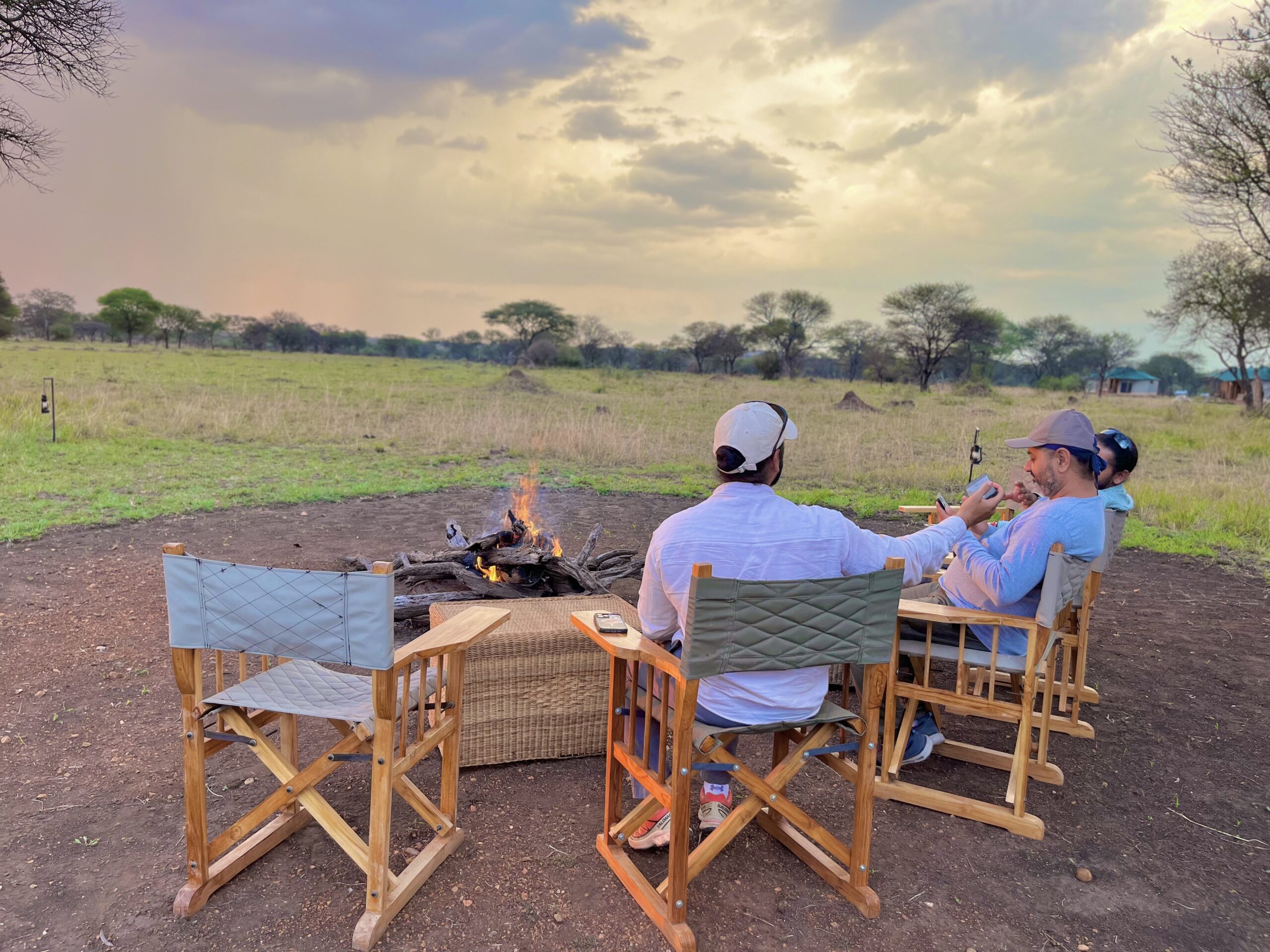
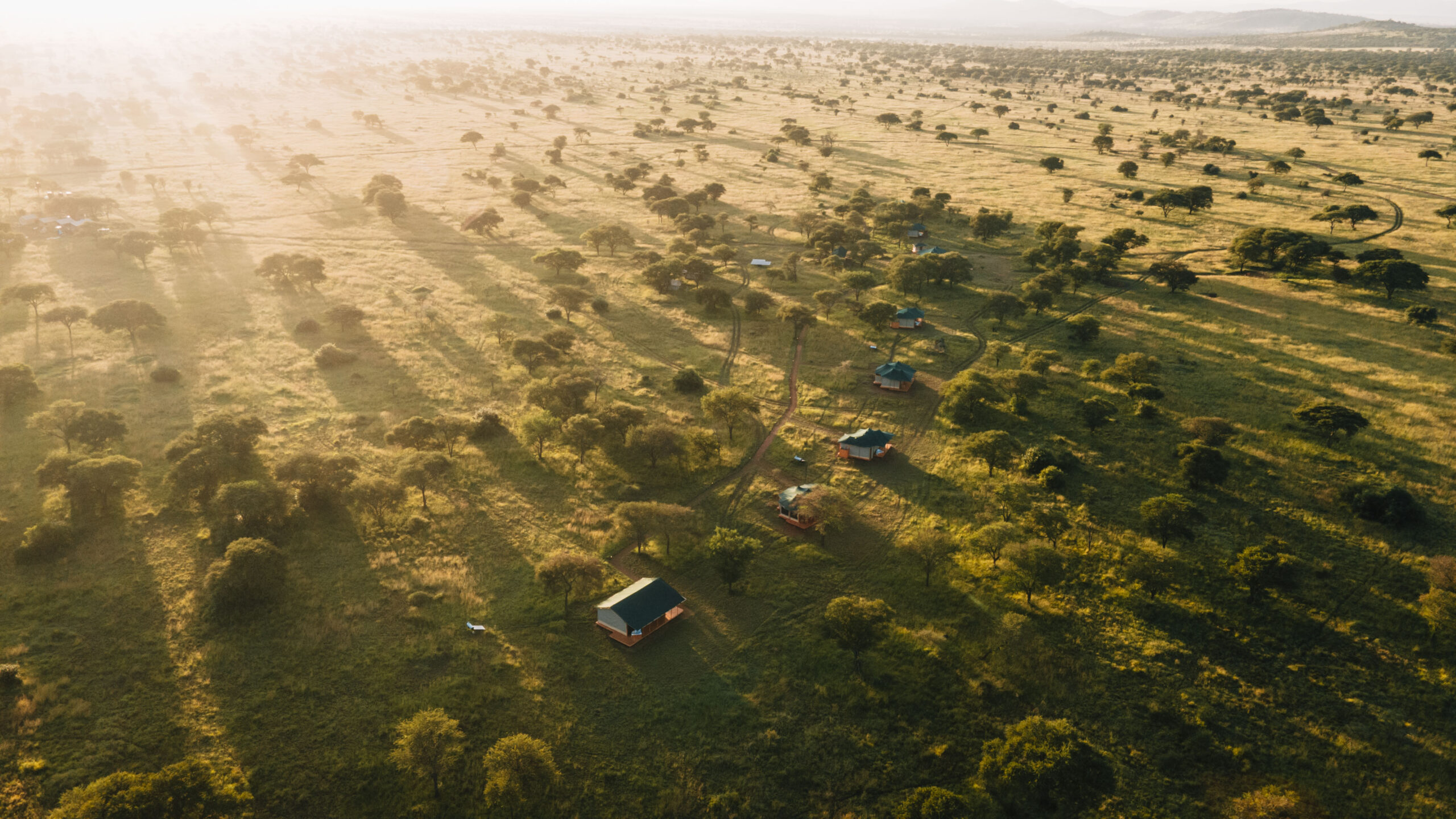
Misako Luxury Camp offers an unforgettable way to connect with the wild beauty, timeless landscapes, and extraordinary wildlife of the Serengeti. Located in the heart of one of Africa’s most celebrated safari destinations, the camp brings together the authenticity of the African wilderness with the comfort, elegance, and personal service of a luxury retreat. From the moments you arrive, you are surrounded by the spirit of the Serengeti. Endless golden plains stetch toward the horizon, acacia trees stand against the African sky, and the sounds of nature create an atmosphere that feels both peaceful and completely alive. Here the wilderness is not simply something you visit-it becomes part of your everyday experience.
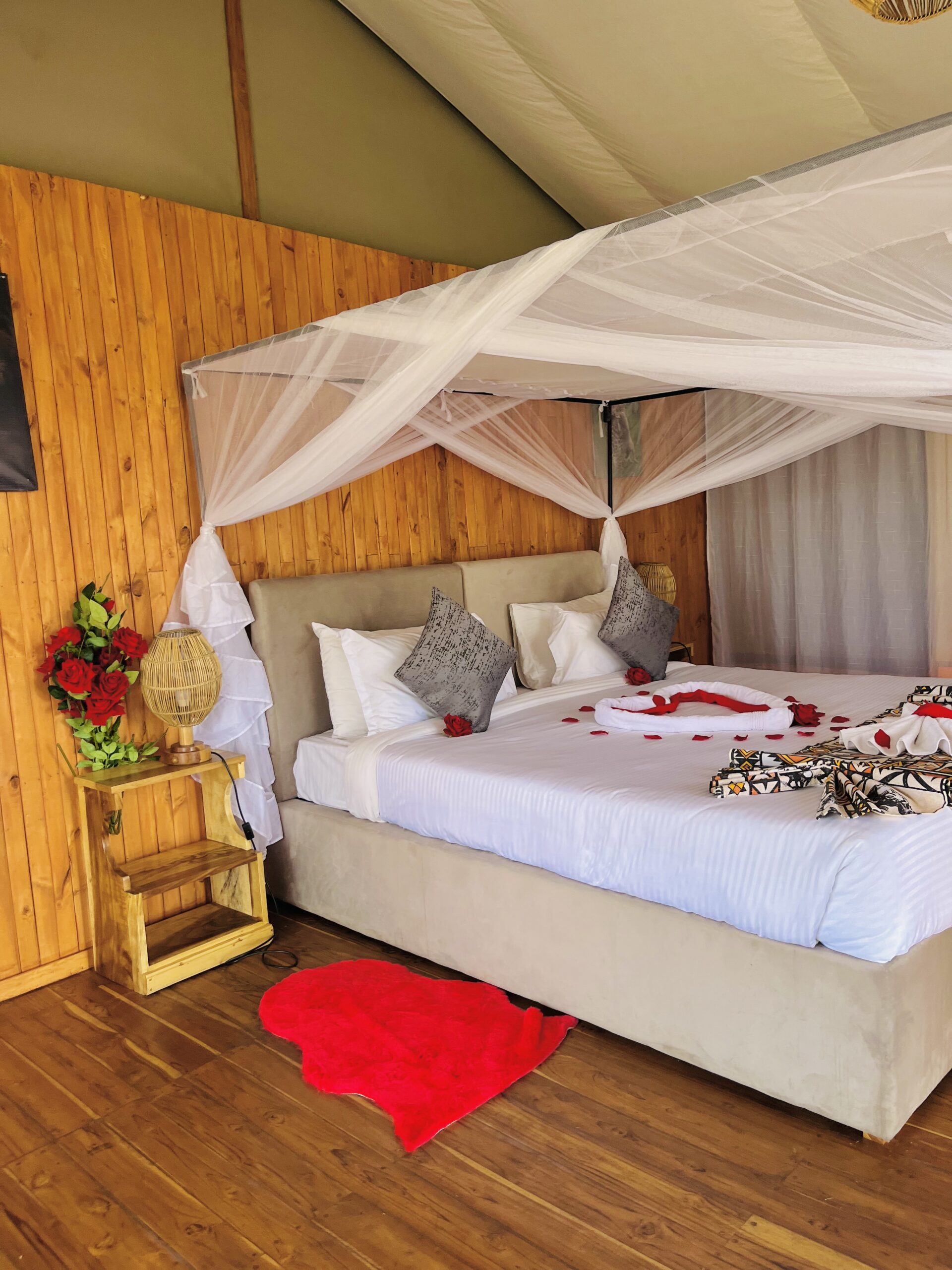
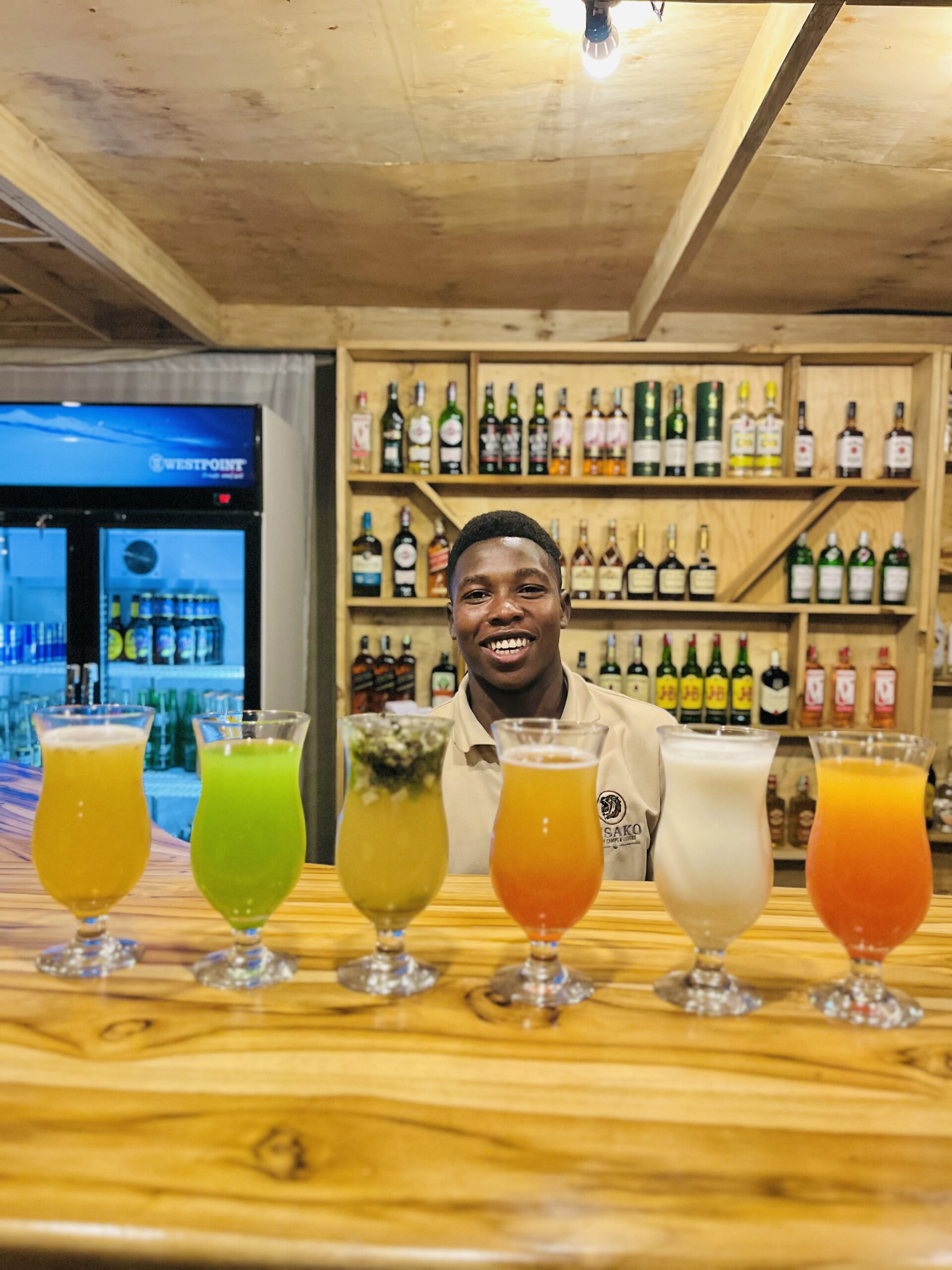
The accommodation combines the romance of traditional safri living with mordern luxury. Spacious tented accommodations provide privacy, comfort, and a close connection to nature, while attentive hospitality ensures that every part of your stay is memorable. Guests can relax after a day of exploration, enjoy carefully prepared meals, and share stories of the day’s wildlife encounters in a warm and welcoming atmosphere. What makes Misako Luxury Camp special is its ability to bring together adventure, nature, comfort, and authentic Tanzanian hospitality.
At Misako, the Serengeti is more than destination. It is the view you wake up to, the landscape you explore, the wildlife you encounter, the sunset you remember and the feeling you take home with you.
“Misako Luxury Camp, where luxury meets the wild, and every stay brings you closer to the soul of the Serengeti.”